Discover which document covers purchases without an invoice in Türkiye. Learn who writes the expense voucher, producer receipt, or freelancer receipt and the seven-day deadline.
Use an AI assistant to draft weekly hotel menus, but rely on recipe cards and human checks for cost and allergens. This guide details the inputs, prompt structure, and verification steps needed to ensure accuracy and compliance.
Use an AI assistant as a practice guest to run front desk training scenes. Learn to write briefs, score replies on a four-point card, and keep real guest data out of the exercise.
Rank sensor positions by what sits below and beside the water, not by how often a pipe fails. This guide explains where to place the first ten sensors and who responds at night.
AI can draft describing sentences for your hotel P&L, but a person must supply the causes. This guide sets a safe workflow for checking figures and signing off reports.
A hotel apology message to a guest needs four lines: the event, the action taken, the gesture, and the follow-up. Learn how to write it, size the offer, and record the case so the next shift sees it.
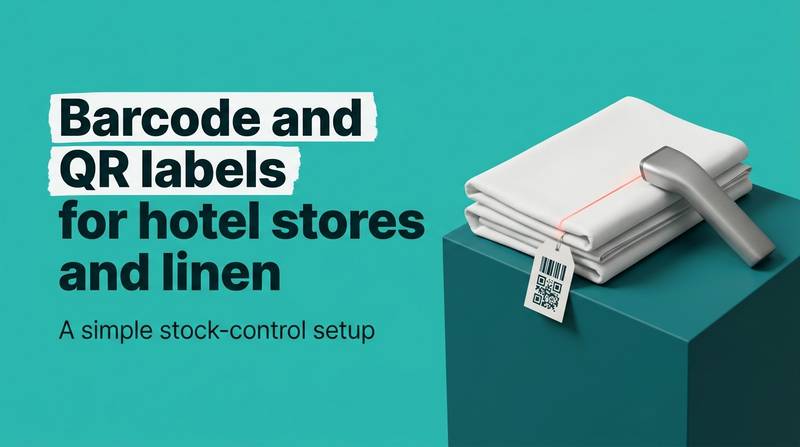
This guide explains how to set up a simple hotel barcode inventory system for stores and linen. It covers label design, phone counting methods, and when to switch from spreadsheets to a property system.
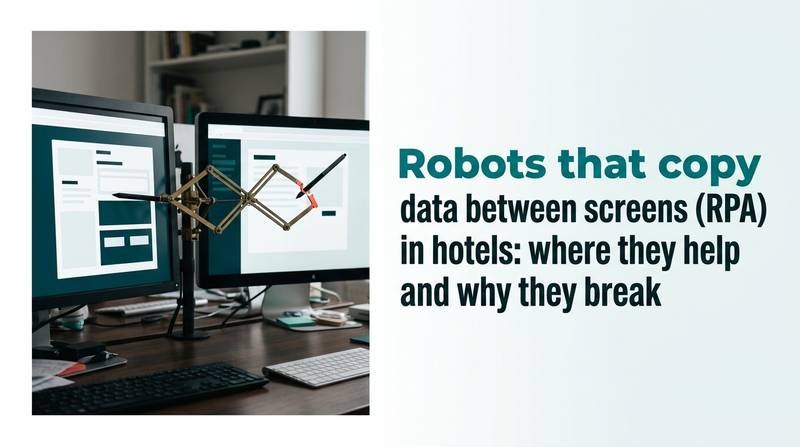
RPA in hotels bridges systems without interfaces but breaks when screens change. Learn which jobs are safe for robots and how to manage their upkeep and risks.
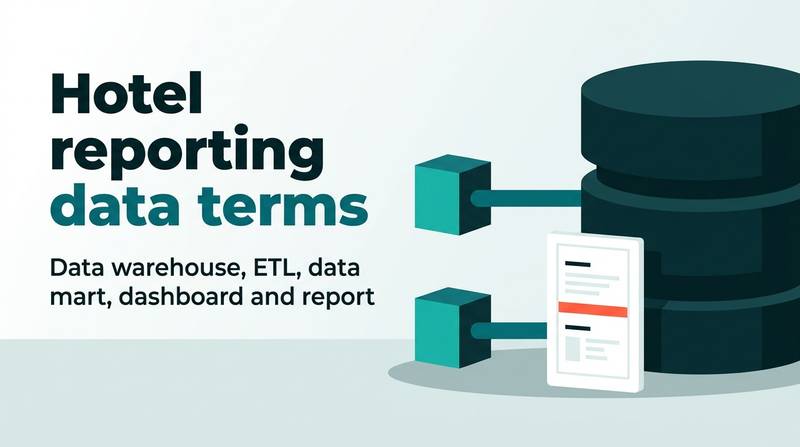
A data warehouse stores copies, not originals, while dashboards and reports are just views. Learn what each term means, why two reports often disagree, and when your hotel actually needs this infrastructure.
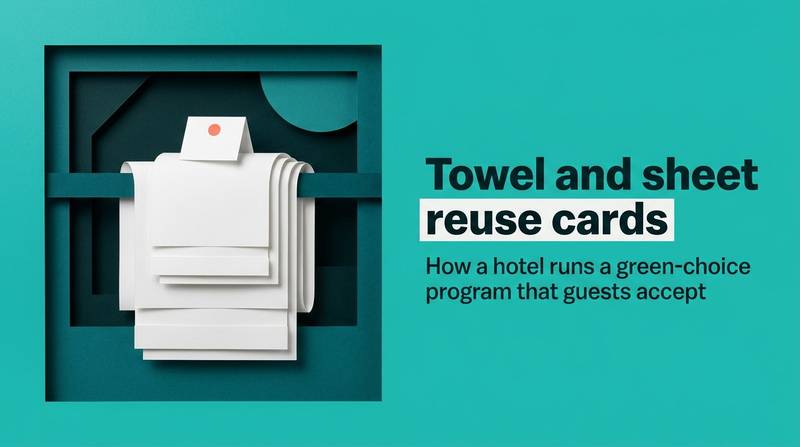
A reuse card is a housekeeping rule, not a marketing message. Learn how to define the guest's choice, brief staff with a clear decision table, and measure laundry savings from your own logs.
Price three room types so guests choose the middle one on purpose. Set gaps as percentage steps, test one change for four weeks, and ensure each tier is worth its price.
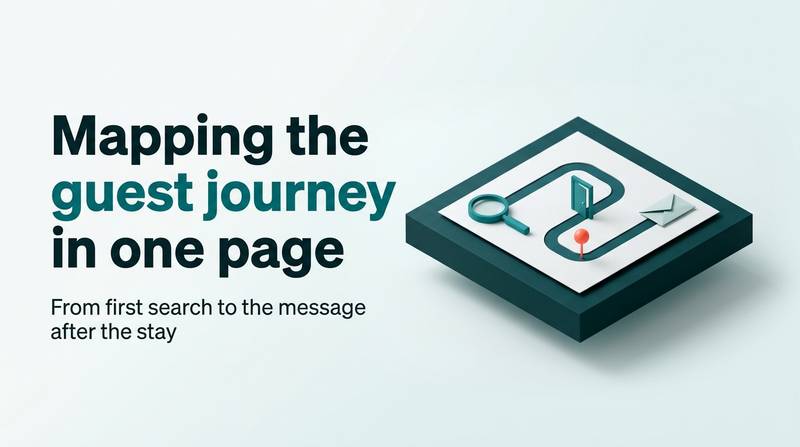
A hotel guest journey map lists every touchpoint from search to post-stay on one page. Learn to identify gaps, assign owners, and choose three actionable fixes.
Rehearse the first thirty seconds of a complaint with five ready scenes and a four-point scoring card. Each ten-minute briefing ends with one agreed change written on the shift board.
Hidden hotel costs like replacement cycles and recurring bills often miss first budgets. Learn to track them with a one-page register that turns surprises into scheduled decisions.
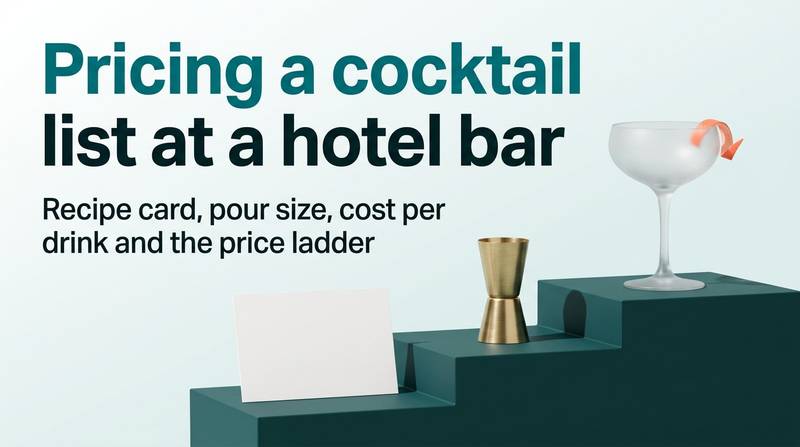
Cost hotel bar cocktails by building recipe cards with measured pours and garnish costs. Set prices with tiered ladders, find spillage gaps, and rebuild or retire drinks based on cash margin.
Working capital is the cash tied up in your hotel's daily operations. Learn how to measure the gap between paying suppliers and being paid by agencies, and use a one-page monthly check to spot warning signs before they become problems.
A corporate RFP is a request for rates, not a commitment. Learn to test volume against your calendar, choose the right rate structure, and write a clear reply.
Zero-based budgeting rebuilds a hotel department's budget from the work it must do, not last year's figure. Learn to list activities, price them from quantities, and rank lines by guest impact to make clear service level decisions.
Assign a named owner per shift to answer booking site messages within your set target. Use templates for common questions and never share card numbers or identity documents in the thread.
A hotel sales kit helps agencies and corporate buyers quote and book without calling. This guide covers the fact sheet, rate pages, room photos and group sheets, plus a monthly check to keep every document current.
This guide explains essential hotel budget terms including zero-based, rolling, flexed budgets, variance and reforecasts. Learn how to classify costs correctly and interpret financial reports to make better management decisions.
A hotel payment link guarantees a booking only if it is sent at the right time and matched correctly. This guide explains when to send one, how long it should stay open, and how to ensure every payment lands on the correct reservation.
A night belongs to the date it starts, not the clock time of arrival. This guide explains how to count nights, price late check-outs and split bills across rate changes.
The hotel operations manager owns daily standards and cross-department hand-offs, while the general manager keeps strategy and budget. This guide defines decision limits, weekly rhythms and when to create the post.
Mold in hotel rooms is a moisture problem, not just a cleaning task. This guide covers inspection routes, safe treatment, stop-sell rules, and clear communication with guests.